
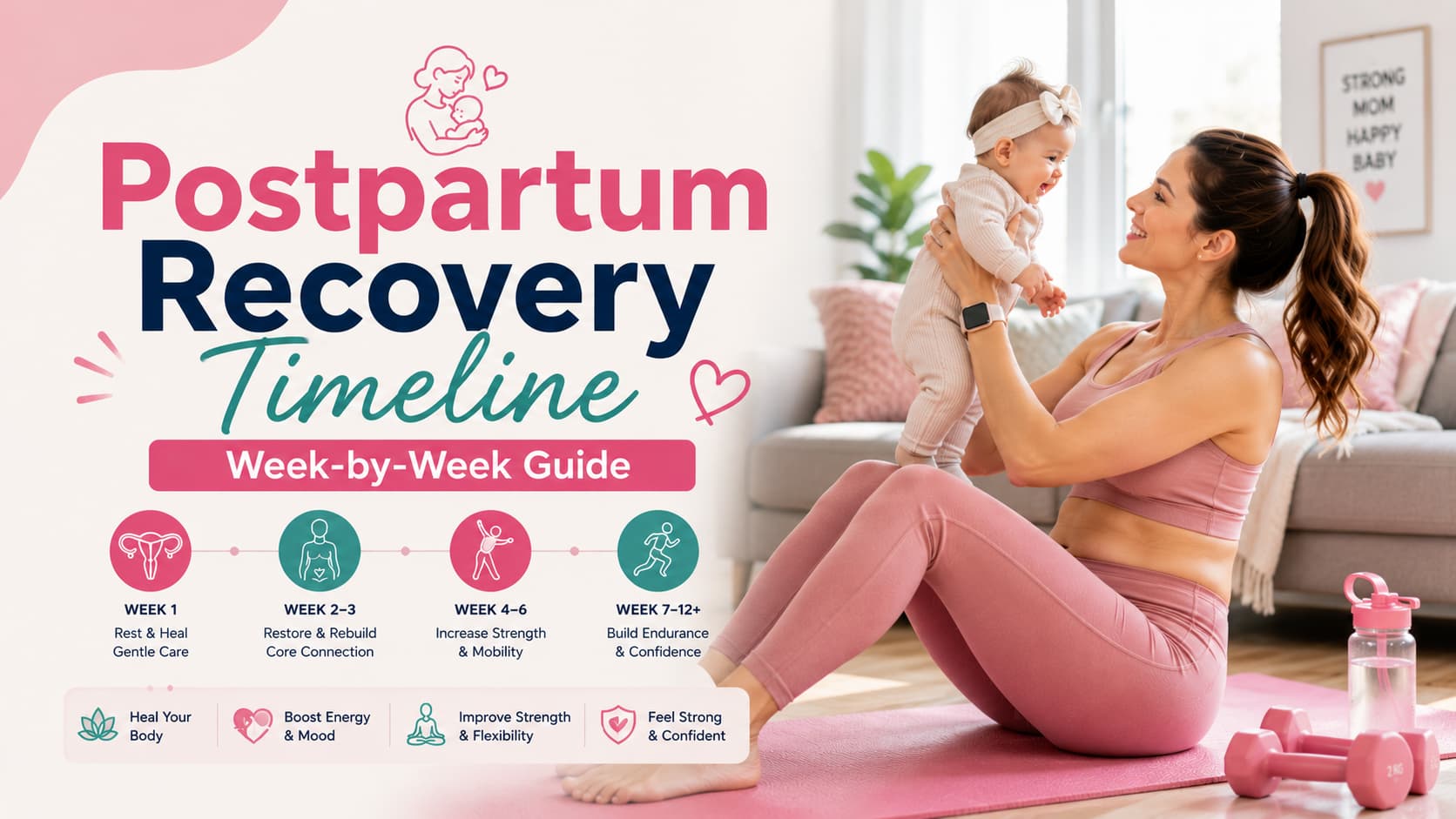
Giving birth is one of the most incredible experiences your body will ever go through.
Whether you had a vaginal birth or a C-section, your body immediately begins the healing process after delivery. While every mother’s recovery is different, knowing what to expect during each stage can make the journey feel much less overwhelming.
Many new moms worry when they don’t feel “back to normal” after a few weeks.
The truth is that postpartum recovery takes time.
Some changes happen within days, while others may take several months to improve.
Understanding a realistic postpartum recovery timeline can help you recognize normal healing milestones, build healthy habits, and know when it’s time to contact your healthcare provider.
In this guide, we’ll walk through the postpartum recovery timeline from Week 1 to Month 6, explain what changes you may experience, and share practical tips to support your recovery every step of the way.
Quick Answer
The postpartum recovery timeline is different for every mother, but most women experience the most significant healing during the first six weeks after childbirth. Recovery continues well beyond this point, with many physical and emotional changes improving over the first three to six months. A gradual return to exercise, healthy nutrition, adequate rest, and regular medical follow-up can all support a smoother recovery.
Table of Contents
Understanding the Postpartum Recovery Timeline
One of the biggest misconceptions about childbirth is that recovery ends after six weeks.
In reality, postpartum healing is a gradual process that can continue for several months.
Your body is recovering from pregnancy, labor, delivery, hormonal changes, and the physical demands of caring for a newborn.
Some women recover quickly, while others need more time.
Several factors can affect your recovery, including:
Type of Delivery
Recovery often differs between:
- Vaginal birth
- Assisted delivery
- Planned C-section
- Emergency C-section
Each type of birth places different demands on your body.
Your Overall Health
Your health before and during pregnancy can also influence how quickly you recover.
Women who maintained healthy habits during pregnancy may find it easier to return to regular daily activities, but every recovery is unique.
Sleep and Rest
Sleep can be difficult with a newborn.
Although uninterrupted sleep may not always be possible, resting whenever you have the opportunity helps support your body’s healing process.
Nutrition
Eating balanced meals provides the nutrients your body needs to repair tissues, maintain energy, and support breastfeeding if you choose to breastfeed.
Physical Activity
Gentle movement, once approved by your healthcare provider, may help improve circulation, reduce stiffness, and support overall recovery.
FitMomWay Tip
Don’t compare your recovery timeline to another mom’s. Healing is not a competition. Focus on your own progress and celebrate small improvements each week.
Week 1: Your Body Begins Healing
The first week after childbirth is usually the most challenging.
Your body is adjusting to major hormonal changes while recovering from labor or surgery.
At the same time, you’re learning how to care for your newborn, which can feel physically and emotionally exhausting.
Physical Changes During Week 1
Many mothers experience:
- Vaginal bleeding (lochia)
- Uterine cramping
- Breast fullness
- Perineal soreness after vaginal birth
- Incision discomfort after a C-section
- Swelling in the legs and feet
- Fatigue
- Constipation
These changes are common and often improve gradually over the following weeks.
Emotional Changes During Week 1
Your emotions may change from hour to hour.
You may feel:
- Happy
- Emotional
- Overwhelmed
- Tired
- Excited
- Anxious
Hormonal changes combined with sleep deprivation can contribute to mood swings during the first week.

Recovery Goals for Week 1
Instead of focusing on exercise or weight loss, prioritize healing.
Your goals should include:
- Rest whenever possible
- Drink plenty of water
- Eat nourishing meals
- Walk short distances around your home if approved
- Practice deep breathing exercises
- Accept help from family and friends
Even simple daily activities can feel like a workout during the first week.
That’s completely normal.
What to Avoid During Week 1
Avoid:
- Heavy lifting
- High-impact exercise
- Running
- Intense abdominal workouts
- Long periods of standing
Give your body time to recover.
Week 2: Building Confidence
By the second week, many women begin to notice small improvements.
You may have slightly more energy, and daily activities may feel a little easier.
However, it’s important to remember that your body is still healing.
Don’t mistake feeling better for being fully recovered.
Physical Changes During Week 2
Many mothers notice:
- Reduced bleeding
- Less swelling
- Improved mobility
- Better comfort while walking
- Gradual improvement in soreness
Recovery continues at its own pace.
Some women may heal more quickly, while others need additional time.
Recovery Goals for Week 2
Continue focusing on gentle movement and healthy habits.
Try to:
- Walk a little farther each day if comfortable
- Stay hydrated
- Eat protein-rich meals
- Practice good posture while feeding your baby
- Continue deep breathing exercises
These simple habits create a strong foundation for the weeks ahead.
FitMomWay Tip
Small daily improvements matter more than dramatic changes. Focus on consistency instead of rushing your recovery.
Week 6: A Major Recovery Milestone
For many women, the six-week mark is one of the biggest milestones in the postpartum recovery timeline.
Around this time, many healthcare providers schedule a postpartum checkup to evaluate how your body is healing and discuss your physical and emotional recovery.
While reaching Week 6 is exciting, it doesn’t mean your body has completely healed.
Instead, think of it as the beginning of your next stage of recovery.
Many women are ready to gradually increase their activity level, while others may still need additional time depending on their delivery, overall health, and any complications they experienced.
Physical Changes During Week 6
By now, you may notice:
- Vaginal bleeding has stopped or is very light.
- Walking feels much easier.
- Swelling has decreased.
- Daily activities require less effort.
- Energy levels may begin improving.
- Your uterus has continued returning to its pre-pregnancy size.
If you had a C-section, your incision should be healing well, although some tenderness or numbness around the scar may still be present.
Emotional Changes During Week 6
Emotionally, many new moms begin adjusting to their baby’s routine.
You may feel:
- More confident caring for your baby
- Less overwhelmed than the first few weeks
- Better able to establish a daily routine
However, sleep deprivation can still affect your mood and energy.
If feelings of sadness, anxiety, or hopelessness continue or become more intense, contact your healthcare provider. Emotional recovery is just as important as physical healing.

Recovery Goals for Week 6
Your goals during this stage should include:
- Continue walking regularly.
- Improve your posture.
- Begin rebuilding strength with medical approval.
- Practice pelvic floor exercises consistently.
- Focus on healthy nutrition.
- Stay hydrated.
Beginning Exercise Again
If your healthcare provider approves, Week 6 is often when you can begin introducing gentle strength training.
Good beginner exercises include:
- Bodyweight squats
- Wall push-ups
- Glute bridges
- Bird dog exercises
- Cat-cow stretches
- Light resistance band exercises
Remember that your workouts should still feel comfortable.
The goal isn’t to train hard.
The goal is to rebuild strength safely.
FitMomWay Tip
Don’t judge your progress by the number on the scale.
Instead, celebrate improvements like walking farther, feeling stronger, sleeping better, or having more energy throughout the day.

Month 3: Building Strength and Confidence
By three months postpartum, many women begin feeling much more like themselves.
Daily activities often become easier, your baby may have a more predictable routine, and you may finally feel ready to establish a consistent fitness routine.
Recovery is still happening, but this stage often feels more encouraging.
Physical Changes During Month 3
You may notice:
- Improved strength
- Better balance
- Increased endurance
- Less back discomfort
- Better posture
- Improved flexibility
If you’ve been exercising consistently, you may also notice that simple activities such as climbing stairs or carrying your baby feel much easier.
Fitness Goals for Month 3
This is an excellent time to focus on rebuilding your overall fitness.
Your goals might include:
- Walking 30 minutes most days
- Strength training two to three times per week
- Improving core stability
- Continuing pelvic floor exercises
- Increasing flexibility
Progress gradually.
There’s no need to rush.
Healthy Habits to Focus On
Continue building habits that support long-term recovery.
Examples include:
- Eating balanced meals
- Drinking enough water
- Prioritizing sleep whenever possible
- Managing stress
- Stretching daily
These habits can have a bigger impact on your recovery than any single workout.
Returning to More Challenging Workouts
Some women may feel ready to return to activities such as jogging, cycling, or group fitness classes.
Before increasing workout intensity, ask yourself:
- Can I complete my current workouts comfortably?
- Do I recover well afterward?
- Am I free from pain during exercise?
If the answer is yes, gradual progression may be appropriate with guidance from your healthcare provider.
Common Challenges During the First Three Months
Every recovery has ups and downs.
Here are some common challenges many new moms experience.
Fatigue
Even if your body is healing well, interrupted sleep can leave you feeling exhausted.
On low-energy days, a short walk may be enough.
Consistency matters more than perfection.
Back Pain
Hours spent feeding, lifting, and carrying your baby can strain your back.
Helpful strategies include:
- Improving posture
- Stretching regularly
- Strengthening your core
- Taking movement breaks
Feeling Behind
Many moms compare themselves to social media.
Remember that online photos rarely show the full recovery journey.
Your progress doesn’t need to look like anyone else’s.
Finding Time to Exercise
Life with a newborn is busy.
Instead of waiting for the perfect time, look for small opportunities.
Ideas include:
- Walking with your baby in a stroller.
- Stretching while your baby naps.
- Completing a 10-minute home workout.
- Doing breathing exercises before bed.
Small sessions can add up over time.
FitMomWay Tip
Your postpartum recovery doesn’t have to be perfect to be successful.
Focus on making healthy choices consistently rather than trying to follow a perfect routine every day.

Month 6: Returning to Everyday Fitness
By six months postpartum, many mothers feel significantly stronger than they did during the first few weeks after childbirth.
However, recovery doesn’t have an exact finish line.
Some women feel almost fully recovered by this stage, while others may still be rebuilding their strength, especially after a difficult pregnancy, a C-section, or complications during delivery.
The most important thing is to focus on your own progress rather than comparing yourself with others.
Physical Changes During Month 6
By Month 6, many women notice:
- Improved muscle strength
- Better endurance
- Increased energy levels
- Stronger core muscles
- Improved posture
- Better balance
- Less back discomfort
- Greater confidence during exercise
Many moms also feel more comfortable returning to hobbies and recreational activities they enjoyed before pregnancy.
Fitness Goals for Month 6
At this stage, your fitness routine can become more structured if your healthcare provider has cleared you for regular exercise.
Goals may include:
- Strength training 2–3 days each week
- Walking 30–45 minutes several days per week
- Improving flexibility
- Continuing pelvic floor exercises
- Building long-term healthy habits
Remember that consistency is far more important than intensity.
Healthy Lifestyle Habits
Your recovery doesn’t end with exercise alone.
Continue focusing on:
Balanced Nutrition
Choose meals that include:
- Lean protein
- Whole grains
- Healthy fats
- Fruits
- Vegetables
Good nutrition supports recovery and provides the energy needed for daily life with your baby.
Quality Sleep
Although uninterrupted sleep may still be difficult, try to rest whenever possible.
Even short periods of rest help support recovery.
Stress Management
Motherhood comes with new responsibilities.
Simple stress-management techniques include:
- Deep breathing
- Gentle stretching
- Walking outdoors
- Asking family members for help
- Taking short breaks for yourself
Healthy moms are better able to care for their babies.
Signs Your Recovery Is Progressing Well
Every recovery is unique, but these are encouraging signs that your body is healing.
Increased Energy
You can complete daily activities with less fatigue than before.
Better Mobility
Walking, climbing stairs, and lifting your baby become easier.
Improved Strength
Everyday tasks require less effort.
Better Core Stability
Your posture improves and your movements feel more controlled.
Less Discomfort
Back pain, swelling, and soreness gradually decrease.
Growing Confidence
Many moms begin feeling more comfortable returning to regular exercise and healthy routines.
Recovery doesn’t happen overnight.
Small improvements each week are signs that your body is moving in the right direction.
When Should You Contact Your Healthcare Provider?
While most postpartum recovery is normal, some symptoms require medical attention.
Contact your healthcare provider if you experience:
- Heavy vaginal bleeding
- Fever
- Severe abdominal pain
- Chest pain
- Difficulty breathing
- Increasing redness or swelling around a C-section incision
- Severe headaches
- Foul-smelling vaginal discharge
- Persistent sadness, anxiety, or hopelessness
Seeking medical advice early can help prevent more serious complications.
Common Postpartum Recovery Mistakes
Many new moms unintentionally slow their recovery by making a few common mistakes.
Returning to Exercise Too Quickly
Your body needs time to heal.
Starting intense workouts too early may increase your risk of injury or delay recovery.
Comparing Yourself to Others
Every birth experience is different.
Avoid comparing your progress with friends, family members, or social media.
Ignoring Pain
Mild muscle soreness after exercise can be normal.
Sharp pain, severe discomfort, or unusual symptoms should never be ignored.
Skipping Meals
Busy schedules often cause new moms to miss meals.
Eating balanced meals throughout the day helps support healing and energy levels.
Not Asking for Help
Recovery is easier when you accept support from family and friends.
You don’t have to do everything on your own.
FitMomWay Tip
Healing isn’t measured by how quickly you “bounce back.” It’s measured by how well you care for yourself throughout your recovery.
Frequently Asked Questions
How long does postpartum recovery usually take?
Many women experience significant healing during the first six weeks, but full recovery can continue for several months. Every recovery journey is different.
Is it normal to still feel tired after three months?
Yes. Caring for a newborn, interrupted sleep, and hormonal changes can all contribute to ongoing fatigue.
When can I start exercising after giving birth?
This depends on your delivery, overall health, and your healthcare provider’s recommendations. Gentle walking is often introduced first, while more structured exercise usually begins after medical clearance.
How long does it take for hormones to return to normal?
Hormonal changes happen gradually. The timeline varies depending on breastfeeding, overall health, and individual recovery.
Can walking help postpartum recovery?
Yes. Walking is one of the safest ways to improve circulation, boost energy, and gently rebuild endurance after childbirth.
What foods support postpartum recovery?
Protein-rich foods, whole grains, fruits, vegetables, healthy fats, and plenty of water can all support healing.
Is back pain normal after childbirth?
Many women experience temporary back discomfort due to pregnancy-related changes and caring for a newborn. Gentle stretching, strengthening exercises, and good posture may help.
When should I worry about postpartum bleeding?
Bleeding that becomes heavier instead of lighter, contains large clots, or is accompanied by severe pain or fever should be discussed with your healthcare provider.
Can I lose weight while recovering?
Healthy weight loss should happen gradually. Focus on recovery, balanced nutrition, and regular movement rather than rapid weight loss.
Is every postpartum recovery timeline the same?
No. Every mother’s recovery depends on factors such as pregnancy, delivery, overall health, sleep, nutrition, and lifestyle.
Conclusion
Your postpartum recovery timeline is a journey—not a race.
Some weeks will feel easier than others, and that’s completely normal.
The first six months after childbirth are a time of healing, learning, and adjusting to a new chapter of life.
Instead of focusing on getting your body back quickly, focus on becoming stronger, healthier, and more confident one step at a time.
Celebrate small milestones, listen to your body, and don’t hesitate to ask for support when you need it.
Recovery takes patience, but every healthy choice you make today helps build a stronger foundation for the future.
Disclaimer
FitMomWay provides educational information only and does not offer medical advice. Readers should consult qualified healthcare professionals before starting any fitness, nutrition, pregnancy, or postpartum program.
Always contact your healthcare provider if you experience unusual symptoms or have concerns about your recovery.


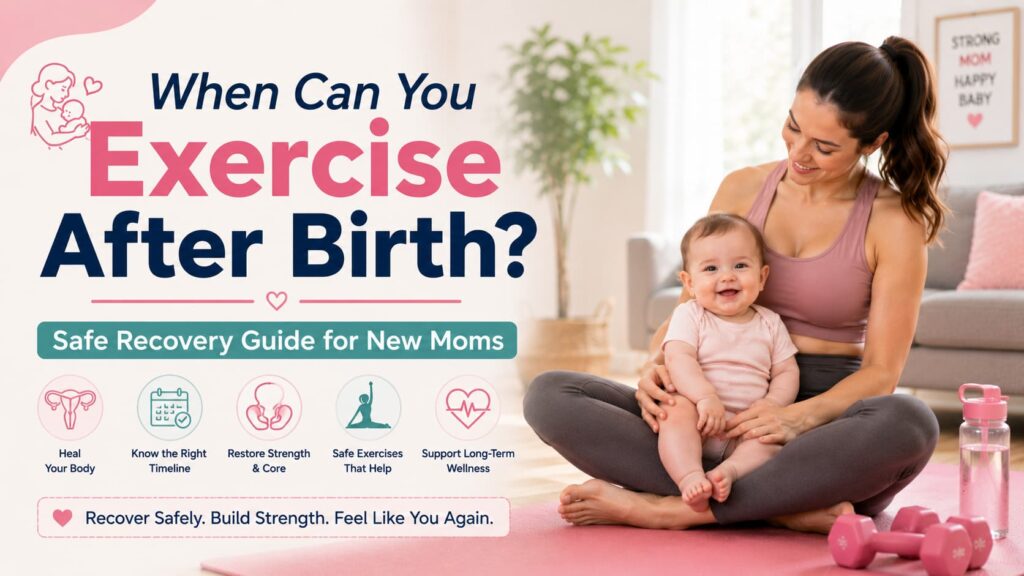
[…] Many healthcare providers encourage gentle movement as soon as it’s safe because light activity may help support recovery. […]