
Bringing your baby home is one of the happiest moments of your life—but it can also be one of the most physically demanding.
Between sleepless nights, feeding schedules, diaper changes, and learning a completely new routine, it’s easy to put your own health on the back burner.
Many new moms ask themselves questions like:
- When can I start exercising again?
- Is it safe to work out after giving birth?
- How do I rebuild my strength without overdoing it?
- Can I lose baby weight while recovering?
These concerns are completely normal.
The truth is, postpartum fitness isn’t about getting your pre-pregnancy body back as quickly as possible.
It’s about helping your body recover, regain strength, improve energy, and support your overall health while adjusting to life with your new baby.
Whether you had a vaginal delivery or a C-section, your body has gone through an incredible transformation.
The first few weeks after childbirth should focus on healing first and fitness second.
Once your healthcare provider gives you approval, gentle movement can become an important part of your recovery journey.
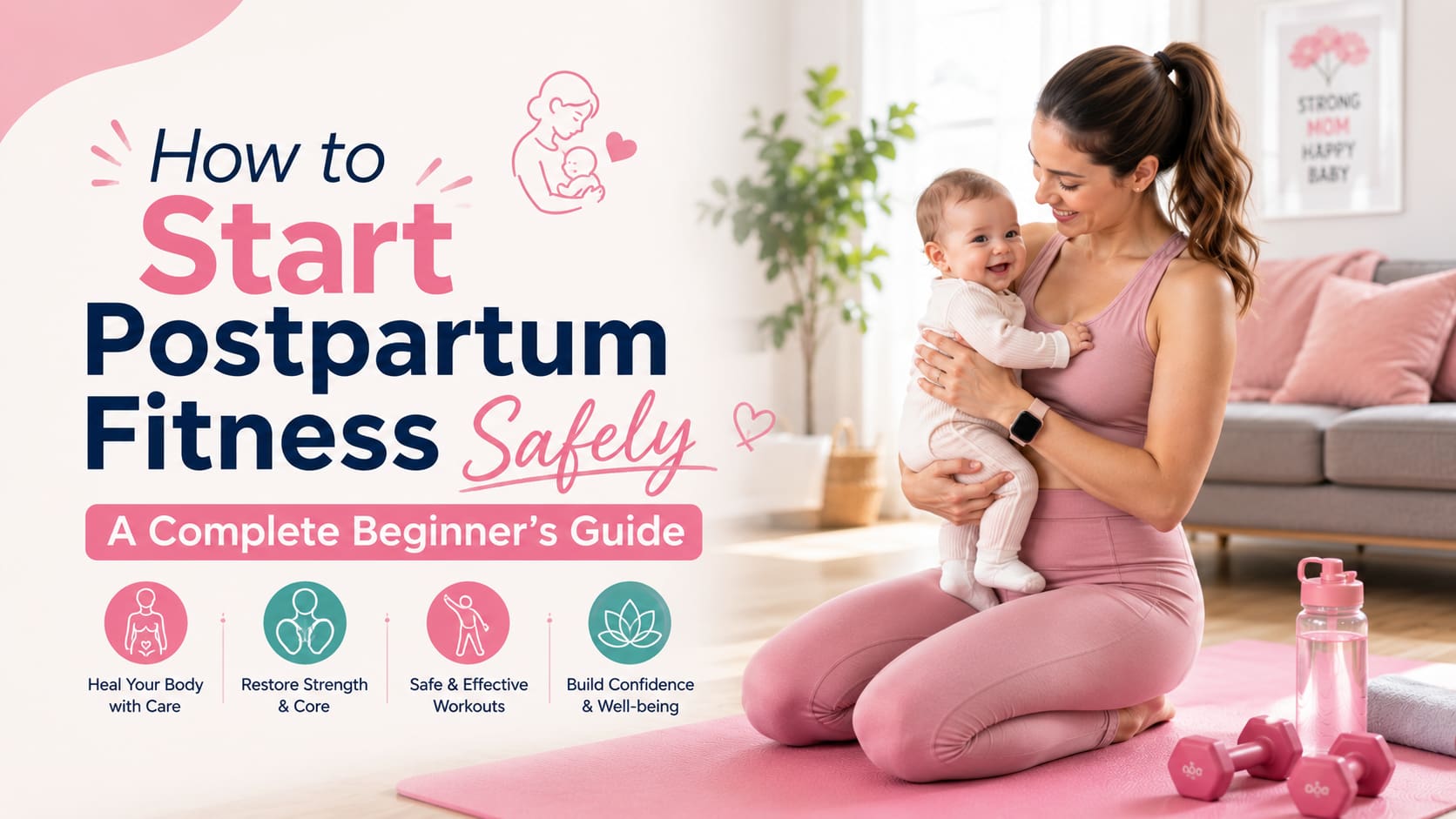
In this complete beginner’s guide, you’ll learn how to start postpartum fitness safely, what exercises are best for each recovery stage, and how to build a realistic routine that fits your new life as a mom.
Quick Answer
For most healthy pregnancies, postpartum fitness begins with gentle movement such as walking, breathing exercises, and pelvic floor exercises after receiving approval from your healthcare provider. As your body heals, you can gradually add strength training, stretching, and low-impact workouts. The key is to increase activity slowly, listen to your body, and prioritize recovery over intensity.
Table of Contents
Why Postpartum Fitness Matters
Many women think postpartum fitness is only about losing baby weight.
In reality, it offers much more than that.
Your body has spent months growing and delivering a baby. Muscles have stretched, your posture has changed, and your energy levels may feel completely different than before pregnancy.
Gentle exercise can help your body gradually recover while also supporting your mental well-being.
Some of the biggest benefits include:
- Rebuilding strength
- Improving posture
- Increasing energy
- Supporting healthy weight management
- Reducing muscle stiffness
- Improving circulation
- Supporting pelvic floor recovery
- Boosting mood
- Reducing stress
- Preparing your body for long-term fitness
FitMomWay Tip
Don’t compare your recovery to another mom’s. Every pregnancy, birth, and recovery journey is unique.
When Can You Start Exercising After Giving Birth?
This is one of the most common questions new moms ask.
Unfortunately, there isn’t one answer that fits everyone.
Your recovery depends on several factors, including:
- Vaginal birth or C-section
- Pregnancy complications
- Overall health
- Fitness level before pregnancy
- Healthcare provider recommendations
After a Vaginal Birth
If you had an uncomplicated vaginal birth, your healthcare provider may encourage light walking and gentle movement soon after delivery, depending on how you feel.
Higher-intensity workouts and strength training usually require medical clearance.
After a C-Section
A C-section is major abdominal surgery.
Recovery often takes longer than after a vaginal birth.
Walking is often introduced gradually, but more demanding exercise should wait until your healthcare provider says it’s appropriate.
Always Get Medical Clearance
Never begin a new exercise program without discussing it with your healthcare provider.
Your recovery timeline is unique.
Benefits of Postpartum Fitness
Starting postpartum fitness safely may help improve many areas of recovery.
Improve Energy Levels
Many new moms feel exhausted.
Although exercise might seem like it would make you more tired, gentle movement can actually improve circulation and help increase energy over time.
Even a 10-minute walk can help you feel refreshed.
Rebuild Muscle Strength
Pregnancy changes the way your muscles work.
Your abdominal muscles, hips, pelvic floor, and lower back all experience additional stress.
A gradual fitness routine helps rebuild these muscles safely.
Support Better Posture
Hours spent feeding, carrying, and rocking your baby can lead to poor posture.
Simple strengthening exercises can help improve alignment and reduce discomfort.
Boost Mental Well-Being
Exercise isn’t only good for your body.
Many moms notice improvements in mood after regular movement.
Gentle activity may help reduce stress and improve confidence as you adjust to motherhood.
Improve Circulation
Walking and light movement encourage healthy blood flow throughout your body.
This can help reduce stiffness after spending long periods sitting while feeding or caring for your baby.
Safety Guidelines Before Starting Postpartum Fitness
Recovery should always come before intense exercise.
Keep these guidelines in mind before beginning your postpartum fitness journey.
Start Slowly
Your body needs time.
Don’t expect to jump into long workouts immediately.
Even five to ten minutes of movement is a great place to begin.
Listen to Your Body
Some days you’ll feel strong.
Other days you’ll need more rest.
That’s completely normal.
Adjust your workouts based on how you feel.
Stay Hydrated
Hydration becomes even more important after childbirth, especially if you’re breastfeeding.
Drink water before and after exercise.
Wear Supportive Clothing
Choose supportive shoes and comfortable workout clothes that allow easy movement.
If you’re breastfeeding, a supportive sports bra designed for nursing moms can improve comfort.
Stop If You Experience Warning Signs
Stop exercising immediately and contact your healthcare provider if you experience:
- Heavy bleeding
- Severe pain
- Chest pain
- Dizziness
- Shortness of breath that doesn’t improve with rest
- Fever
- Sudden swelling
Your health always comes first.
Understanding Your Recovery Timeline
One of the biggest mistakes new moms make is expecting recovery to happen quickly.
Healing is a gradual process.
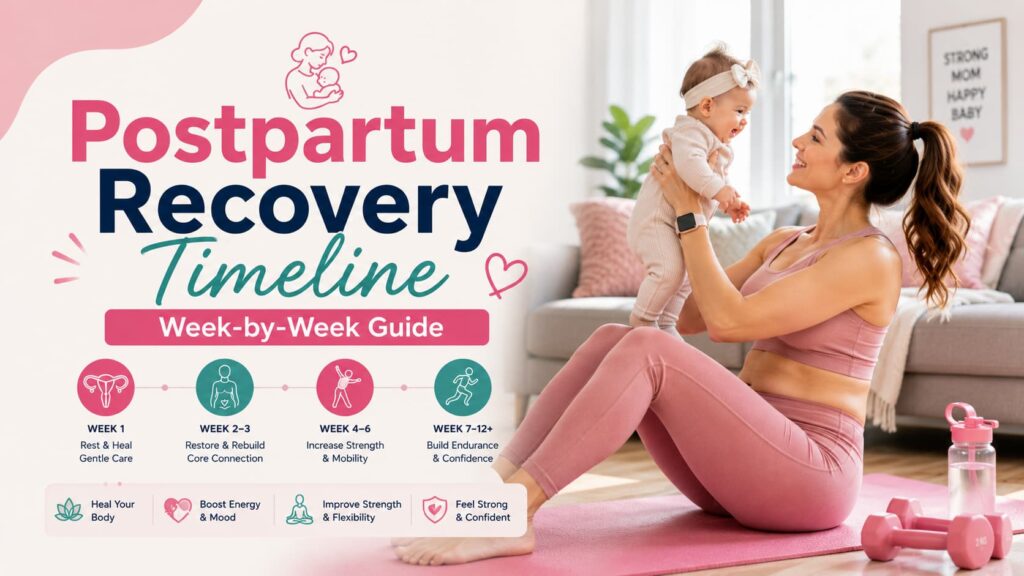
Weeks 1–2
Focus on:
- Rest
- Gentle walking
- Deep breathing
- Hydration
- Sleep whenever possible
This is not the time for structured workouts.
Weeks 3–6
If approved by your healthcare provider, you may gradually increase your walking time and add gentle stretching.
Focus on:
- Walking
- Pelvic floor awareness
- Mobility
- Posture
Weeks 6–12
Many women receive medical clearance around this stage.
This may be the time to begin:
- Bodyweight strength training
- Core rehabilitation
- Low-impact workouts
- Longer walks
Progress gradually rather than rushing into intense exercise.
Three Months and Beyond
As your strength improves, you can slowly increase workout duration and intensity while continuing to listen to your body.
The goal is sustainable progress, not perfection.
Beginner Postpartum Fitness Goals
Instead of focusing on weight loss immediately, set realistic goals such as:
- Walk three days each week
- Improve daily energy
- Strengthen your core
- Improve posture
- Reduce stiffness
- Build a consistent routine
- Sleep better when possible
Small wins create lasting habits.
FitMomWay Tip
Recovery is not a race. Every short walk, gentle stretch, and healthy habit is a step toward becoming stronger.
Week-by-Week Postpartum Fitness Plan
One of the biggest mistakes new moms make is trying to return to their pre-pregnancy workout routine too quickly.
Your body needs time to heal.
A gradual approach is safer, more sustainable, and often leads to better long-term results.
The following postpartum fitness plan is designed for healthy women who have received guidance from their healthcare provider.
Always adjust your activity level based on your individual recovery.
Weeks 1–2: Focus on Healing
During the first two weeks, your body is recovering from childbirth.
Whether you had a vaginal birth or a C-section, this stage should be about healing—not burning calories.
Your Goals
- Rest as much as possible
- Stay hydrated
- Improve circulation
- Reduce stiffness
- Support recovery
Activities to Focus On
- Gentle walking around your home
- Deep breathing exercises
- Light posture awareness
- Pelvic floor awareness (if approved)
Avoid
- Running
- Jumping
- Heavy lifting
- Intense workouts
- Crunches or sit-ups
FitMomWay Tip
Your body has just done something incredible. Healing is your first workout.
Weeks 3–6: Build Healthy Habits
As your energy slowly improves, you can begin adding more movement.
Don’t worry about long workouts.
The goal is consistency.
Weekly Goals
- Walk 15–20 minutes
- Improve posture
- Reduce stiffness
- Strengthen your pelvic floor
- Practice daily movement
Beginner Routine
Monday
- 15-minute walk
Tuesday
- Stretching
- Deep breathing
Wednesday
- Walk
- Pelvic floor exercises
Thursday
- Gentle stretching
Friday
- 20-minute walk
Saturday
- Mobility exercises
Sunday
- Rest
Weeks 6–12: Begin Strength Building
Many women receive medical clearance around this stage.
Once approved, you can slowly begin rebuilding strength.
Goals
- Improve muscle strength
- Strengthen your core
- Build endurance
- Increase confidence
Weekly Routine
Monday
- Walking
- Squats
Tuesday
- Stretching
Wednesday
- Wall push-ups
- Glute bridges
Thursday
- Walking
Friday
- Core rehabilitation
Saturday
- Prenatal-style yoga or mobility work
Sunday
- Rest
Three Months and Beyond
At this stage, many women feel ready to progress.
Remember:
Progress slowly.
Your body is still recovering.
Increase workout intensity gradually rather than making sudden jumps.
Best Beginner Postpartum Exercises
These exercises are excellent starting points for most new moms after receiving medical approval.
1. Walking
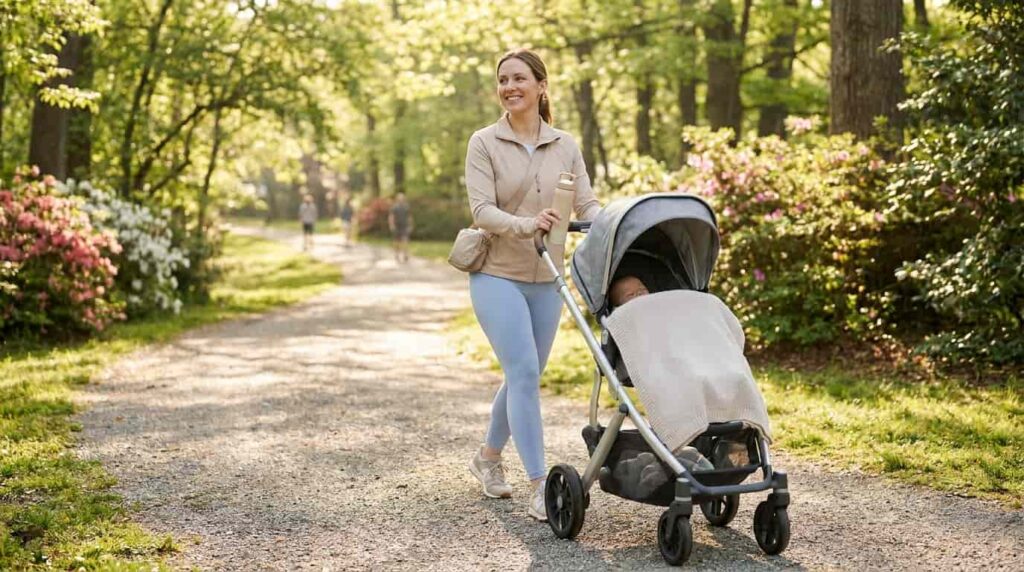
Walking is one of the best postpartum fitness activities.
Benefits include:
- Improves circulation
- Increases energy
- Supports heart health
- Encourages recovery
Begin with:
10–15 minutes.
Increase gradually.
2. Pelvic Floor Exercises
Pregnancy and childbirth place significant stress on the pelvic floor.
Strengthening these muscles may help improve recovery.
Benefits:
- Better bladder support
- Improved pelvic stability
- Increased confidence
Practice daily if recommended by your healthcare provider.
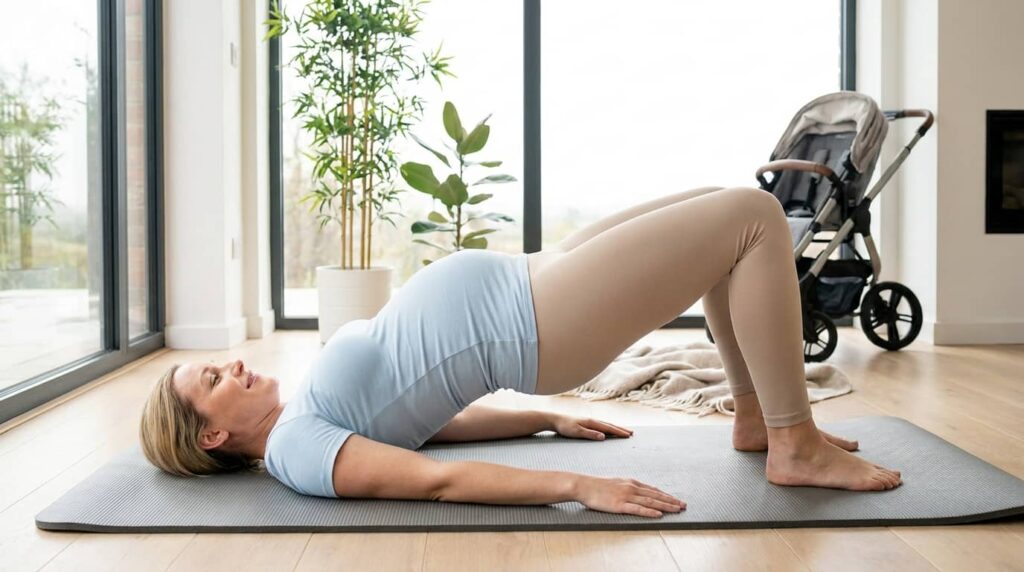
3. Glute Bridges
Glute bridges help strengthen:
- Glutes
- Hips
- Lower back
These muscles often become weak during pregnancy.
Start with:
2 sets of 10 repetitions.
4. Wall Push-Ups
Wall push-ups provide gentle upper-body strengthening.
Benefits:
- Better posture
- Stronger shoulders
- Improved arm strength
Complete:
2 sets of 10 repetitions.
5. Bird Dog Exercise
Bird dogs help improve:
- Balance
- Stability
- Core control
Move slowly and maintain good form.
6. Heel Raises
Heel raises strengthen the calves while improving circulation.
This simple movement can also reduce stiffness after long periods of sitting.
7. Shoulder Rolls
Many moms spend hours feeding and carrying their babies.
Shoulder rolls help reduce neck and shoulder tension.
Perform:
10 forward
10 backward
8. Cat-Cow Stretch
This gentle stretch improves spinal mobility.
Benefits include:
- Less back stiffness
- Better posture
- Improved flexibility
Move slowly and avoid discomfort.
Rebuilding Your Core Safely
One of the biggest goals of postpartum fitness is rebuilding your core.
However, many women make the mistake of starting with crunches or intense ab workouts.
This can place unnecessary pressure on healing abdominal muscles.
Instead, focus on rebuilding your foundation first.
Beginner Core Exercises
- Deep breathing
- Pelvic tilts
- Bird dogs
- Heel slides
- Glute bridges
As your strength improves, your healthcare provider or physical therapist may recommend additional exercises.
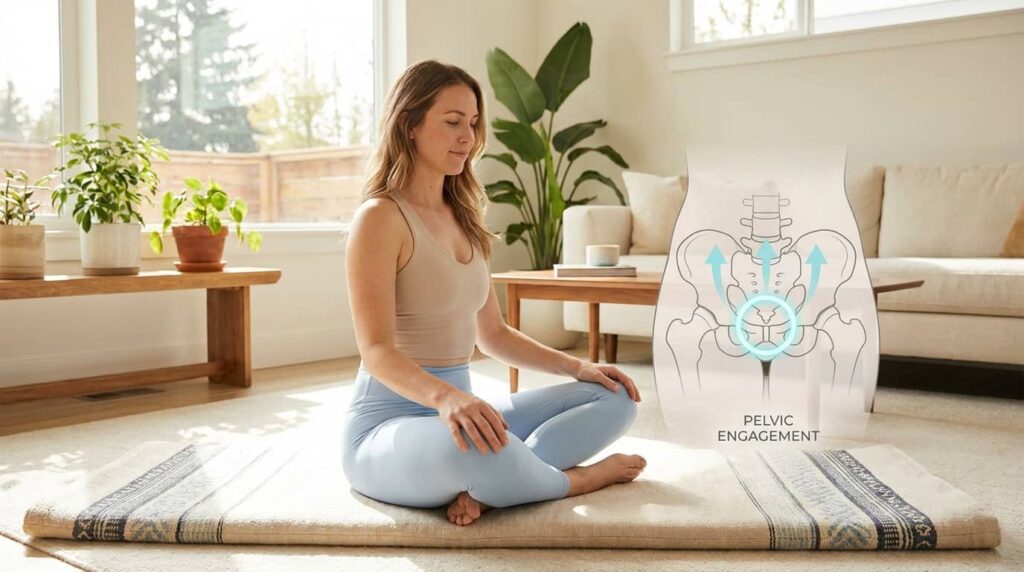
Pelvic Floor Recovery
The pelvic floor supports your bladder, uterus, and bowel.
These muscles often weaken during pregnancy and childbirth.
Signs you may benefit from pelvic floor strengthening include:
- Leaking urine
- Pelvic heaviness
- Weakness
- Reduced stability
Simple pelvic floor exercises can become part of your daily routine.
Aim for consistency rather than intensity.
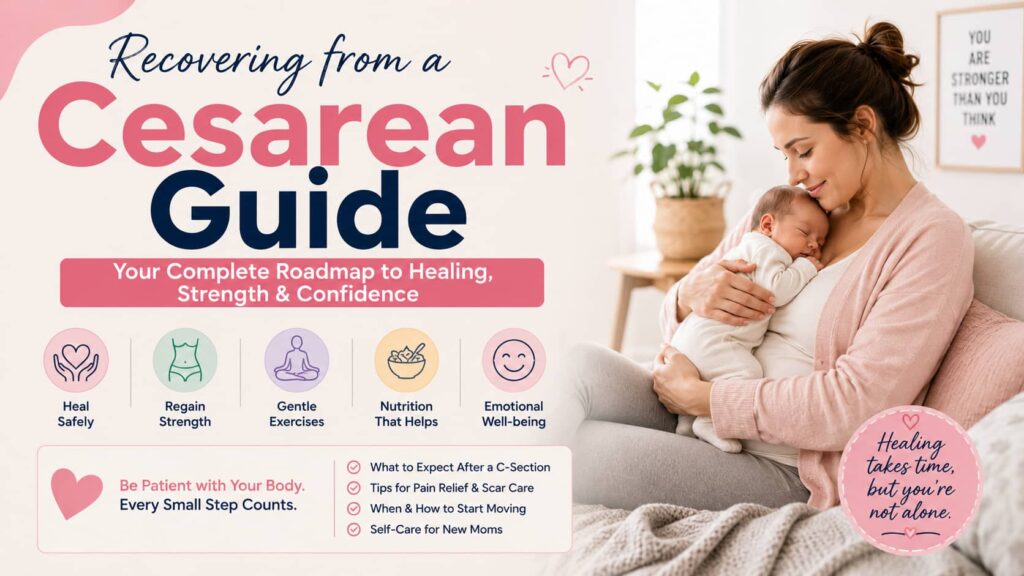
Postpartum Fitness After a C-Section
Recovering from a C-section requires extra patience.
Remember:
A C-section is major surgery.
During Recovery
Focus on:
- Walking
- Deep breathing
- Good posture
- Hydration
Avoid:
- Heavy lifting
- Running
- High-impact exercise
- Intense abdominal workouts
Always follow your surgeon’s recommendations before progressing.
Common Postpartum Fitness Mistakes
Trying to Lose Weight Too Quickly
Recovery should always come before rapid weight loss.
Comparing Yourself to Other Moms
Every woman heals differently.
Your recovery timeline is unique.
Ignoring Pain
Pain is your body’s way of asking you to slow down.
Never push through severe discomfort.
Skipping Recovery Days
Rest helps muscles rebuild.
Recovery is an important part of postpartum fitness.
Forgetting Nutrition
Exercise alone isn’t enough.
Your body also needs:
- Protein
- Healthy fats
- Fruits
- Vegetables
- Whole grains
- Plenty of water
Good nutrition supports healing and provides the energy needed for caring for your baby.
FitMomWay Tip
Focus on becoming stronger—not just smaller.
Healthy habits built during postpartum recovery often create the foundation for lifelong fitness.
Nutrition Tips to Support Postpartum Fitness
Exercise is only one part of postpartum recovery.
The foods you eat provide your body with the nutrients needed to heal, rebuild muscle, and maintain energy while caring for your baby.
You don’t need a perfect diet.
Instead, focus on eating balanced meals most of the time.
Prioritize Protein
Protein helps repair muscles and supports recovery after childbirth.
Good sources include:
- Eggs
- Chicken
- Fish
- Greek yogurt
- Cottage cheese
- Lentils
- Beans
- Tofu
Aim to include a source of protein with each meal.
Eat Plenty of Fruits and Vegetables
Colorful fruits and vegetables provide vitamins, minerals, and antioxidants that support healing.
Try to include a variety of colors throughout the week.
Choose Whole Grains
Whole grains provide steady energy and fiber.
Examples include:
- Oatmeal
- Brown rice
- Whole wheat bread
- Quinoa
Stay Hydrated
Water is essential for recovery and becomes even more important if you’re breastfeeding.
Keep a water bottle nearby throughout the day and drink regularly.
Don’t Skip Meals
Many new moms become so busy caring for their baby that they forget to eat.
Skipping meals can leave you feeling tired and make recovery more difficult.
Small, balanced meals and healthy snacks can help keep your energy stable.
Sample Weekly Postpartum Fitness Schedule
Here’s a simple weekly routine for beginners after receiving medical clearance.
Monday
- 20-minute walk
- Pelvic floor exercises
- Light stretching
Tuesday
- Bodyweight squats
- Wall push-ups
- Shoulder rolls
Wednesday
- Walking
- Cat-cow stretch
- Deep breathing
Thursday
- Glute bridges
- Bird dog exercise
- Gentle stretching
Friday
- 25-minute walk
- Heel raises
- Pelvic floor exercises
Saturday
- Mobility exercises
- Full body stretching
- Relaxation breathing
Sunday
Recovery day
Take a gentle walk if you feel comfortable or simply focus on rest and hydration.
FitMomWay Tip
A consistent 20-minute routine several days each week is often more effective than one long workout that leaves you exhausted.
Signs You’re Ready to Progress
As your recovery improves, you may notice:
- More daily energy
- Better balance
- Increased strength
- Less soreness after workouts
- Improved posture
- Greater confidence during exercise
These are good signs that your body is adapting well.
Increase your workouts gradually rather than making large jumps in intensity.
Frequently Asked Questions
Is postpartum fitness safe for beginners?
Yes. Most women can begin gentle movement after receiving guidance from their healthcare provider. Walking, breathing exercises, and light stretching are often recommended as early activities.
How soon can I start postpartum fitness?
The answer depends on your recovery, delivery method, and healthcare provider’s recommendations. Every recovery is different.
Can I exercise while breastfeeding?
Many women can continue exercising while breastfeeding. Staying hydrated, eating enough calories, and wearing a supportive sports bra can improve comfort.
What is the best postpartum exercise?
Walking is one of the safest and easiest ways to begin postpartum fitness. As your recovery progresses, you can gradually add strength training and mobility exercises.
How often should I exercise after having a baby?
Start with short sessions a few times each week and gradually build a routine that fits your energy level and recovery.
Can postpartum fitness help with back pain?
Gentle strengthening exercises, stretching, and improved posture may help reduce common postpartum back discomfort.
Should I focus on weight loss first?
No. Your first priority should be healing, rebuilding strength, and establishing healthy habits. Weight loss can come naturally over time with consistent exercise and balanced nutrition.
What if I had a C-section?
Recovery after a C-section usually takes longer. Follow your healthcare provider’s advice and begin with gentle walking before progressing to more challenging exercises.
Do I need gym equipment?
No. Most beginner postpartum exercises can be performed at home using only your body weight.
How long does postpartum recovery take?
Recovery is different for every woman. Some moms feel stronger within a few months, while others need longer. Focus on steady progress rather than comparing yourself to others.
Conclusion
Starting postpartum fitness can feel overwhelming, especially when you’re adjusting to life with a newborn.
Remember that recovery isn’t about rushing back to your old routine.
It’s about helping your body heal, rebuilding strength, and creating healthy habits that support both you and your baby.
Start with gentle movement, listen to your body, and celebrate small milestones along the way.
A short walk, a few strengthening exercises, or even five minutes of stretching is progress.
With patience and consistency, you’ll build a stronger, healthier foundation that supports your long-term fitness journey.
Related Articles
As your FitMomWay library grows, link to:
- 15 Safe Postpartum Exercises You Can Do at Home
- Postpartum Workout Plan by Week (Week 1–12)
- 30-Day Postpartum Walking Challenge
- Best Pelvic Floor Exercises After Pregnancy
- How to Rebuild Core Strength After Pregnancy
External Authority Sources
For evidence-based information, refer to trusted organizations such as:
- American College of Obstetricians and Gynecologists (ACOG)
- Centers for Disease Control and Prevention (CDC)
- Mayo Clinic
- National Health Service (NHS)
- World Health Organization (WHO)
Disclaimer
FitMomWay provides educational and informational content only and does not offer medical advice, diagnosis, or treatment. The information in this article is not intended to replace professional medical guidance.
Always consult your healthcare provider, obstetrician, midwife, or other qualified healthcare professional before starting any postpartum fitness, nutrition, or wellness program.
If you experience heavy bleeding, severe pain, dizziness, chest pain, shortness of breath, fever, or any unusual symptoms while exercising, stop immediately and seek medical attention.



[…] These questions can help you create a safe fitness plan. […]
[…] that every recovery is different. Before beginning this challenge, make sure you’ve received approval from your […]